
All About Maple Syrup
First produced by indigenous communities in North America and now available on a large scale, maple syrup continues to be a simple, pure, and all-natural food product. Though the industry has grown to meet bulk maple syrup needs and to provide wholesale maple syrup markets, the product remains the same–influenced by natural cycles and environmental factors, and a delicious alternative to other commercially produced sweeteners.
Whether you’re in it for the minimal processing, the domestic availability, or the superior flavor, maple syrup is a delicious addition to any retail shelf, food service pantry, or bulk ingredients re-stock order. Keep reading to learn more about this staple natural sweetener.
What Is Maple Syrup?
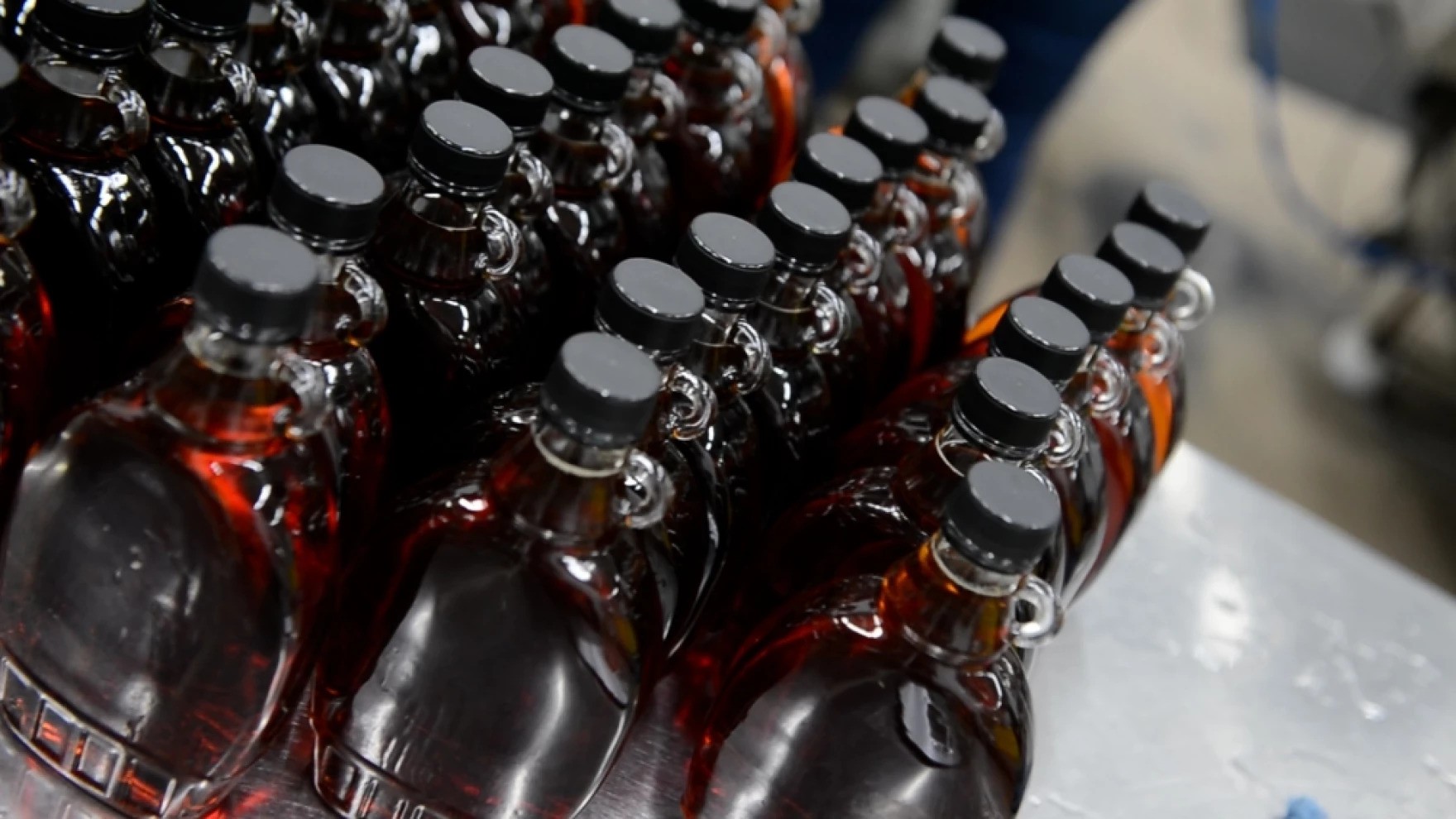
Essentially, maple syrup is concentrated sap from various species of maple trees, with the sugar maple being the most commonly used. Black maple, silver maple and red maple can also be used, but they can’t compete with the sugar content of the sugar maple’s sap. Why does that matter? Because it takes mass quantities of tree sap to make just a small amount of pure maple syrup, the higher the sugar content, the less sap that is required.
As far as breakdown of what maple syrup is on a technical level, it is a combination of natural sugars along with trace amounts of vitamins, minerals, antioxidants and flavor compounds. The varying shades of syrup (or “grades”) are an indication, not of quality, but of when the syrup was collected, how long it needed to be boiled to remove all water content, and other naturally occurring factors.
Pure maple syrup is known to contain manganese, riboflavin, calcium, thiamin, potassium, and copper, along with other plant compounds, or polyphenols.
While any amount of any type of sugar can impact the eater’s blood sugar and overall health, it is undeniable that maple syrup offers more than just a sweet hit. It is lower on the glycemic index than white sugar, requires less processing, is naturally vegan and gluten-free, and has its own unique flavor profile without the need for additives, colorants, flavorings, or preservatives. When used in moderation, pure maple syrup can be part of a healthy diet.
How Can Maple Sugar Be Used?
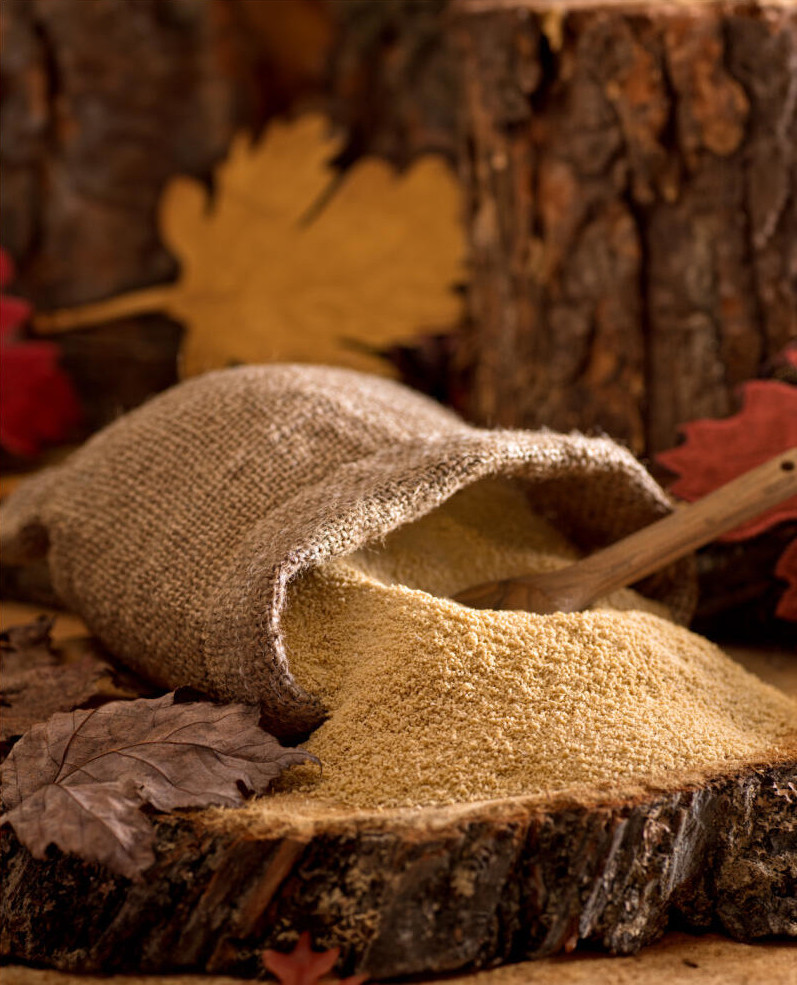
When it comes to incorporating pure maple syrup in recipes, the sky is truly the limit! Or as we like to say, “Maple Syrup is good on everything but the floor!” Its unique flavor profile lends itself both to sweet and savory culinary applications. While it does take some knowledge about how different types of sugars react and the various roles that they play in a recipe, pure maple syrup can often be used as a replacement for other, more commonly used sweeteners. From baked goods to sauces, marinades, glazes and more, maple syrup is a delicious addition to just about any of your favorite recipes.
How Is Maple Syrup Made?
Modern maple syrup production is done on an industrial scale, but the essential process is the same as it always has been: tap trees, collect sap, boil syrup to evaporate water, and filter the final product. Reverse osmosis processing is often used, prior to a final boiling. Once the boiled sap meets certain criteria like temperature and sugar content (66%), it is considered to be maple syrup and is then bottled. This simple, time-honored tradition now utilizes modern equipment and technology, but the output is the same as what the native people and subsequent settlers in northern areas of America have been crafting for generations.
After sap is collected, whether manually, using buckets and spiles, or automatically, using a plastic tubing system connected to a mainline, it is brought into the sugarhouse, sometimes called a sugar shack–a building used specifically for turning collected sap into maple syrup. “Sugar” is used instead of “syrup” since once upon a time, maple sap was more often turned into maple sugar than maple syrup, due to it being more shelf stable and easier to store and trade. Be it rustic and off-grid or modern and streamlined, each sugarhouse serves the same purpose. It typically houses a sap storage tank and an evaporator, along with an exhaust or ventilation system–e.g. a vented cupola–that removes the boiled off water vapor from the building. The evaporator is one or more large, flat metal pans that sit over a firebox that produces heat using various fuel types. The unique construction allows for controlled boiling and evaporation of the maple sap. Modern facilities can also include equipment for bottling and storage.
Maple sap is harvested anywhere from late winter into spring only in the Northern Hemisphere, typically during the months of February, March and April. Ideal temperatures for sap collection are when daytime highs are above freezing (typically in the 40s°F) and nighttime temperatures drop below freezing–this is when the sap is reliably flowing within the tree. The season ends when nights remain above freezing or the tree’s buds begin to swell and grow, as these factors can change the flavor profile of the sap to be less desirable.
It takes roughly 40 gallons of maple sap to produce one gallon of pure maple syrup, and trees can typically be tapped beginning at 30 or 40 years of age. On average, a mature maple tree will produce 10-20 gallons of sap annually, resulting in just one or two quarts of finished maple syrup each year–it is a precious commodity to be relished and enjoyed! Maple syrup producers need to be in tune with seasonal signs and patterns, each year’s unique temperature fluctuations, and other natural factors, making it a great way to keep in touch with the natural world. And since a healthy sugar maple can provide sap for a century or more, maple syrup producers also need to be invested in tree care to ensure longevity.
How To Store Maple Syrup
Pure maple syrup has a high sugar content, but it does still contain some water, and water can allow bacteria to grow if not kept in the proper conditions. This means that pure maple syrup, unlike imitation options, needs to be stored properly to ensure that it remains safe and usable for as long as possible. Bulk maple syrup products are shelf stable for three years from the date of production when they are unopened and stored under ideal conditions. However, once opened, they need to be kept refrigerated. If properly stored, opened maple syrup will safely last up to one year. It can also be frozen, which is a longer-term storage option for opened containers. Due to its high sugar content, pure maple syrup will not freeze solid, but the cold temperatures will prevent molding and contamination.
Where To Find Wholesale Maple Syrup
If you’re in need of bulk maple syrup or need products for your retail or food service business, Bissell Maple Farm is here to help. Our family-owned and -operated business works with an array of producers to ensure that we always have adequate supply volume to meet your needs. For the highest quality, always available wholesale maple syrup you can rely on to keep your operation running, look no further than Bissell Maple Farm. Contact us today to learn more and look for our products in a store near you!